Budget and prices
What baby gear costs per year, once you divide by months in use
What baby gear costs per year: travel system, buggy, infant car seat and cot spread over the months each is used, plus the 5% VAT rate on children's car seats.
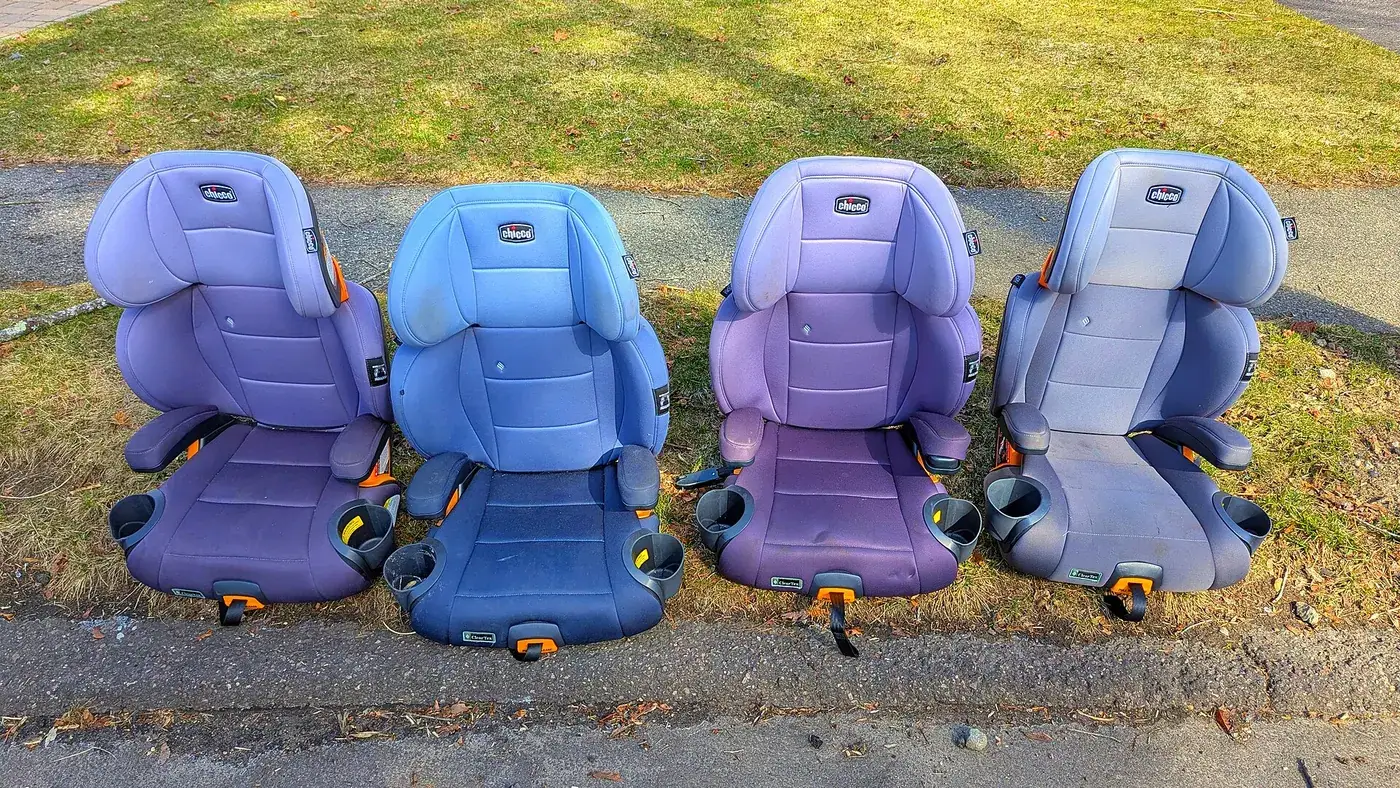
Baby equipment is bought in a cluster over about 8 weeks and then used over wildly different periods. An infant car seat may be outgrown inside 15 months; a cot may run for 3 years; a lightweight buggy bought as a second pushchair may do 2 years of hard service. Adding the prices together tells you nothing useful about any of them.
This guide divides each item by the months it is really in use, shows which VAT rate applies to what, and sets the result against the one-off government payment that exists for some households. Prices throughout are examples used to show the arithmetic; this site has no price feed and quotes no seller.
Cost per year is spend divided by months in use
The calculation is deliberately simple: total spend, divided by the months the item is genuinely used, multiplied by 12. A £520 travel system used for 3 years is £173 a year. The same travel system sold on for £150 at the end leaves £370 of net spend, which is £123 a year.
An infant car seat shows why months rather than years is the right denominator. GOV.UK states that height-based seats must be rear facing until a child is over 15 months old, and many households replace the first seat at about that point. A £130 seat across 15 months is £8.67 a month, which is £104 a year — a higher annual rate than the cot, despite costing half as much.
A lightweight buggy at £95 used hard for 2 years is £47.50 a year, and a cot with mattress at £260 used for 3 years is £87 a year. Rank the list by those annual figures rather than by the price tags and the shopping order usually changes.
| Item | Example spend | Time in use | Cost per year |
|---|---|---|---|
| Travel system, pram body and seat unit | £520 | 3 years | £173 |
| Same travel system, resold at £150 | £370 net | 3 years | £123 |
| Lightweight buggy, second pushchair | £95 | 2 years | £47.50 |
| Infant car seat, rearward facing | £130 | 15 months | £104 |
| Cot and mattress | £260 | 3 years | £87 |
Each cost per year is total spend divided by months in use, multiplied by 12. Resale is subtracted before dividing. A mattress is normally bought new whatever the cot's history, so it sits in the cot line rather than being treated as reusable.
VAT is not the same on everything in the cot department
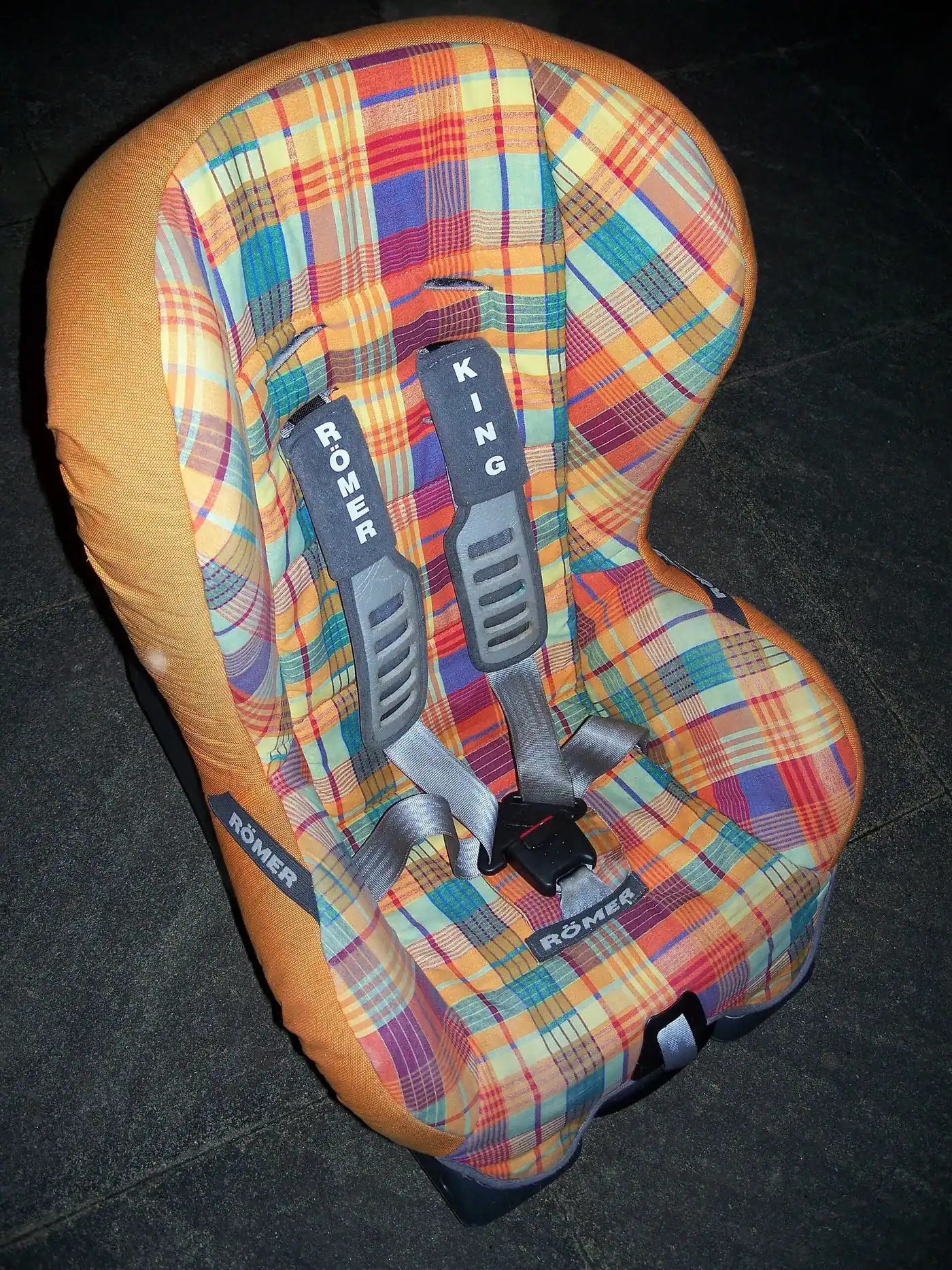
GOV.UK's VAT rates page sets out three rates: the standard rate of 20% on most goods and services, a reduced rate of 5% on some goods and services, and a zero rate. Two of its own examples land squarely in this category: children's car seats are given as an example of the 5% reduced rate, and children's clothes as an example of zero-rated goods.
That changes what a shelf price means. On a car seat with a £130 shelf price at the reduced rate, £6.19 of it is VAT. If the same £130 shelf price carried the standard rate instead, £21.67 would be tax. Pushchairs, cots, monitors and sterilisers are not among the examples GOV.UK gives for the reduced or zero rates, so the standard 20% applies to them in the usual way.
None of that changes what you pay at the till, since UK consumer prices include VAT. It changes how you read a price comparison across categories: £130 of car seat and £130 of pushchair are not the same amount of product.
- Standard rate 20%: most goods, including pushchairs, cots and monitors
- Reduced rate 5%: GOV.UK gives children's car seats as an example
- Zero rate: GOV.UK gives children's clothes as an example
- On a £130 car seat at 5%, the VAT element is £6.19
- On the same £130 shelf price at 20%, the VAT element would be £21.67
The one-off payment that exists, and what it covers
GOV.UK describes the Sure Start Maternity Grant as "a one-off payment of £500 to help towards the costs of having a child". The conditions are specific: you must be expecting your first child, or expecting a multiple birth such as twins when you already have children, and you or your partner must already get certain benefits.
The timing matters because the window closes. GOV.UK states that you must claim the grant within 11 weeks of the baby's due date or within 6 months after the baby's birth. That is a date to put in a calendar during pregnancy rather than a task for the first weeks after a birth.
Set against the figures above, £500 is close to the entire three-year cost of a cot and a lightweight buggy together. At £87 a year for the cot and £47.50 a year for the buggy, three years costs £403.50, which the grant would more than cover for a household that qualifies.
| Combination | Cost per year | Cost over 3 years |
|---|---|---|
| Cot and mattress | £87 | £261 |
| Lightweight buggy | £47.50 | £142.50 |
| Both together | £134.50 | £403.50 |
| Travel system instead of both | £173 | £519 |
The buggy figure runs for 2 years in the main table; here it is extended to 3 years for comparison, which is why it reads £142.50 rather than £95. The grant is £500 and is subject to the conditions GOV.UK sets out.
Where the money actually goes wrong
Three patterns account for most overspending, and none of them is about buying expensive things. The first is buying a second pushchair within 6 months because the first one does not fit the boot, which doubles the single largest line. The second is buying ahead for a stage that may never suit the child, so the item is used for 4 months rather than 24 and its cost per year quadruples.
The third is consumables bought without an interval. Nappies, wipes and formula are recurring costs with a measurable rate, and the consumable-interval calculator on this site exists so you can put your own pack size and usage rate in rather than estimating a monthly figure that drifts.
Against those three, the choice between a £420 and a £520 travel system is a rounding error. The £100 difference across 3 years is £33 a year, which is less than the annual cost of one unused item bought for a stage that never arrived.
A buying order that follows the arithmetic
Buy in the order the months dictate. The car seat is needed on day one and is governed by law, so it goes first and is chosen on fit in your car rather than on price. The sleeping arrangement is next and runs for 3 years. The pushchair follows, chosen against measurements of your boot and hallway taken in advance.
Everything that depends on a stage you cannot predict waits. High chairs, stage-two carriers and travel cots have the worst cost-per-year profile when bought early and the best when bought at the point of need, because by then you know how long they will be used for.
- Car seat first, chosen on approval label and fit in your own car
- Cot and mattress second, since it runs about 3 years at £87 a year on these figures
- Pushchair third, against measured boot, door and hallway dimensions
- Consumables costed by interval rather than by a guessed monthly total
- Stage-dependent items last, bought when the stage arrives
- Claim the Sure Start Maternity Grant within 11 weeks of the due date or 6 months after the birth, if you qualify
Before you buy
- Write down how many months each item will realistically be used before you price anything
- Divide total spend by months in use and multiply by 12 to compare items fairly
- Subtract any resale you genuinely expect before dividing
- Buy the car seat on fit and approval label, not on price
- Delay stage-dependent items until the stage arrives
- Cost consumables by pack size and interval rather than by a guessed monthly figure
- If you qualify, claim the £500 grant within 11 weeks of the due date or 6 months after the birth
Questions readers ask
- Why divide by months rather than by years?
- Because the items are used for wildly different periods. A £130 infant car seat used 15 months is £104 a year, while a £260 cot used 3 years is £87 a year, so the cheaper item has the higher annual rate. Dividing everything by a single year hides that, and it is the comparison that decides which items are worth paying more for.
- What VAT rate applies to a child's car seat?
- GOV.UK's VAT rates page gives children's car seats as an example of goods at the 5% reduced rate. On a £130 shelf price that is £6.19 of VAT, against £21.67 if the same price carried the standard 20%. Children's clothes are given as an example of the zero rate. Most other baby equipment is standard-rated in the usual way.
- Am I eligible for the Sure Start Maternity Grant?
- GOV.UK states two conditions must both be met: you are expecting your first child, or expecting a multiple birth such as twins and already have children, and you or your partner already get certain benefits. It is a one-off payment of £500, claimed within 11 weeks of the due date or within 6 months after the birth.
- Is buying second-hand the right way to cut cost per year?
- For items with no safety-critical wear parts it is the most effective single change, because it moves the numerator without touching the months in use. A £95 buggy bought used at £40 falls from £47.50 to £20 a year over 2 years. For anything with a locking mechanism, harness or approval label, check the OPSS recall notices and the condition first.
- How much does resale really change the figures?
- On a travel system, materially. Selling a £520 system for £150 after 3 years cuts the annual figure from £173 to £123, a 29% reduction. On smaller items it rarely justifies the effort: a £95 buggy that resells for £20 moves from £47.50 to £37.50 a year, which is £10 a year for the trouble of selling it.
Sources
- GOV.UK — VAT rates (20% standard, 5% reduced including children's car seats, zero rate including children's clothes) — checked 2026-11-03
- GOV.UK — Sure Start Maternity Grant (£500 one-off payment, 11 weeks before the due date or 6 months after the birth) — checked 2026-11-03
- GOV.UK — Child car seats: the law (rear facing until over 15 months) — checked 2026-11-03
Advertising is not enabled on this site yet. When it is, ads will be labelled and kept visually separate from the guides.